Offering virtual therapy across Ontario and in-person sessions in Fort Frances
209 Scott St, Fort Frances ON | 807-271-5573
209 Scott St, Fort Frances ON
807-271-5573


Trauma can affect the way you think, feel, connect with others, and experience everyday life. You may feel stuck in survival mode, emotionally overwhelmed, disconnected from yourself, or unable to move past experiences that continue to impact you long after they happened.
Feelings of fear, shame, guilt, anxiety, numbness, or hypervigilance can make it difficult to feel safe, grounded, or fully present.
At NWOCC, we provide trauma-informed therapy in a compassionate and supportive environment where healing can happen at your own pace. Our therapists use evidence-based approaches designed to help you process difficult experiences, build coping strategies, and regain a sense of control and connection in your life.
Feeling unsure what support is right for you?
Take our quick quiz or book a free consultation to find the best fit.

Trauma impacts everyone differently. Some individuals experience emotional distress and anxiety, while others notice physical symptoms, emotional numbness, avoidance, or difficulty trusting others.
You may experience:
Trauma responses are survival responses. Therapy can help you better understand these patterns while building tools that support healing and emotional safety.
Healing from trauma can feel isolating, especially when you’ve been carrying the emotional weight of difficult experiences for a long time. Support can help you feel safer, more grounded, and more connected to yourself again.
Book a free consultAt NWOCC, we offer several trauma-informed therapy approaches tailored to your individual experiences, needs, and comfort level.
Brainspotting is a body-based trauma therapy that targets specific eye positions connected to areas of the brain where trauma is stored. This approach helps access and process trapped emotions, memories, and physical sensations at a deep neurological level. Many individuals find Brainspotting helpful for trauma, anxiety, emotional overwhelm, and stress stored within the body.
Cognitive Processing Therapy helps individuals identify and challenge distorted beliefs created through traumatic experiences. Trauma can deeply affect the way you see yourself, others, and the world around you. CPT supports you in recognizing unhelpful thought patterns, processing emotions, and developing healthier, more balanced perspectives.
Cognitive Behavioral Therapy helps you recognize and shift negative thought patterns that contribute to trauma-related distress. CBT is a practical, goal-oriented approach that focuses on building coping strategies, emotional awareness, and healthier responses to difficult thoughts and emotions.
Healing from trauma is deeply personal. We focus on creating a supportive environment where you can feel emotionally safe while processing difficult experiences at a pace that feels manageable for you.


Trauma therapy is not about “reopening wounds.” It's about helping you process experiences safely, reduce the intensity of triggers, and build tools that support long-term healing and resilience.
At NWOCC, we're here to support you with empathy, collaboration, and evidence-based care that meets you where you're at.
With the right support, healing and growth are possible.
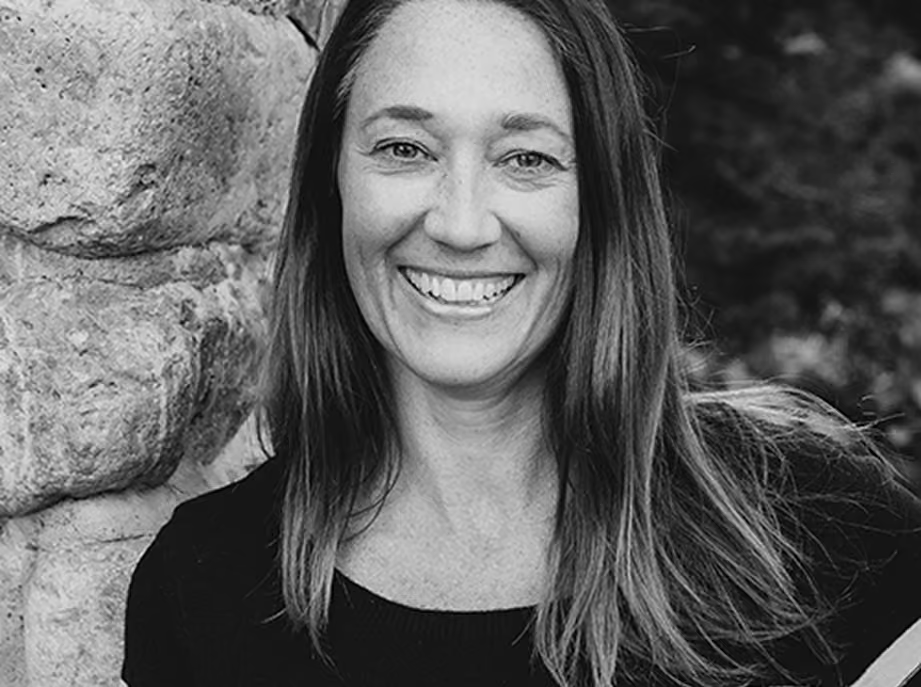
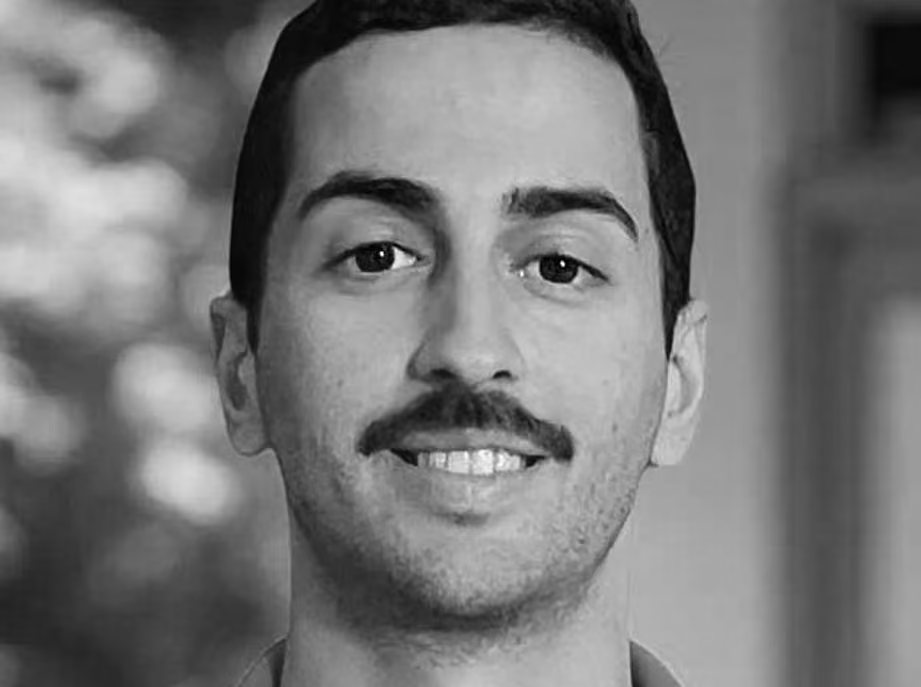
Finding the right therapist is an important part of the healing process. Our team provides compassionate, trauma-informed support tailored to your individual experiences, comfort level, and goals. Explore therapists who support trauma recovery below.
Our therapists provide compassionate trauma therapy for teens and adults in a supportive, non-judgmental environment.
Find the right therapistHealing from trauma takes time, support, and compassion for yourself along the way. While therapy can help you process deeper emotional experiences, small grounding and self-support strategies can also help your nervous system feel safer, more regulated, and more connected in everyday life. These tools are meant to support emotional wellbeing and help create moments of stability during the healing process.

Consistent routines, rest, nourishment, and supportive environments can help your nervous system feel more grounded and regulated.

Deep breathing, sensory exercises, movement, and mindfulness techniques can help bring your attention back to the present moment during periods of distress.

Recognizing situations, environments, or patterns that activate emotional responses can help you respond with greater awareness and self-compassion.

Healing takes time. Allowing yourself rest, boundaries, and support can play an important role in emotional recovery and resilience.

You deserve support that helps you feel safe, understood, and empowered in your healing journey. With the right tools and support, it’s possible to move forward with greater confidence, resilience, and emotional wellbeing.

Your Instagram widget will appear here once your site is published on a staging
or production domain. The live widget with real Instagram data will only be
visible on the published site, not inside the editor.
Get helpful resources, updates, and mental health insights from our team.


NWOCC acknowledges that we live and practice on the traditional lands of the Anishinaabeg (Ojibway) people and Métis Nation. As settlers, we say Miigwech for allowing us to gather here. It is an honour and privilege to do this work on Treaty #3, and we remain committed to practicing with respect, learning, and honouring Indigenous cultures, people, and relationships.