Offering virtual therapy across Ontario and in-person sessions in Fort Frances and Kenora
209 Scott St, Fort Frances ON | 1421 Hwy 17 E, Kenora ON
209 Scott St, Fort Frances ON
1421 Hwy 17 E, Kenora ON
807-271-5573


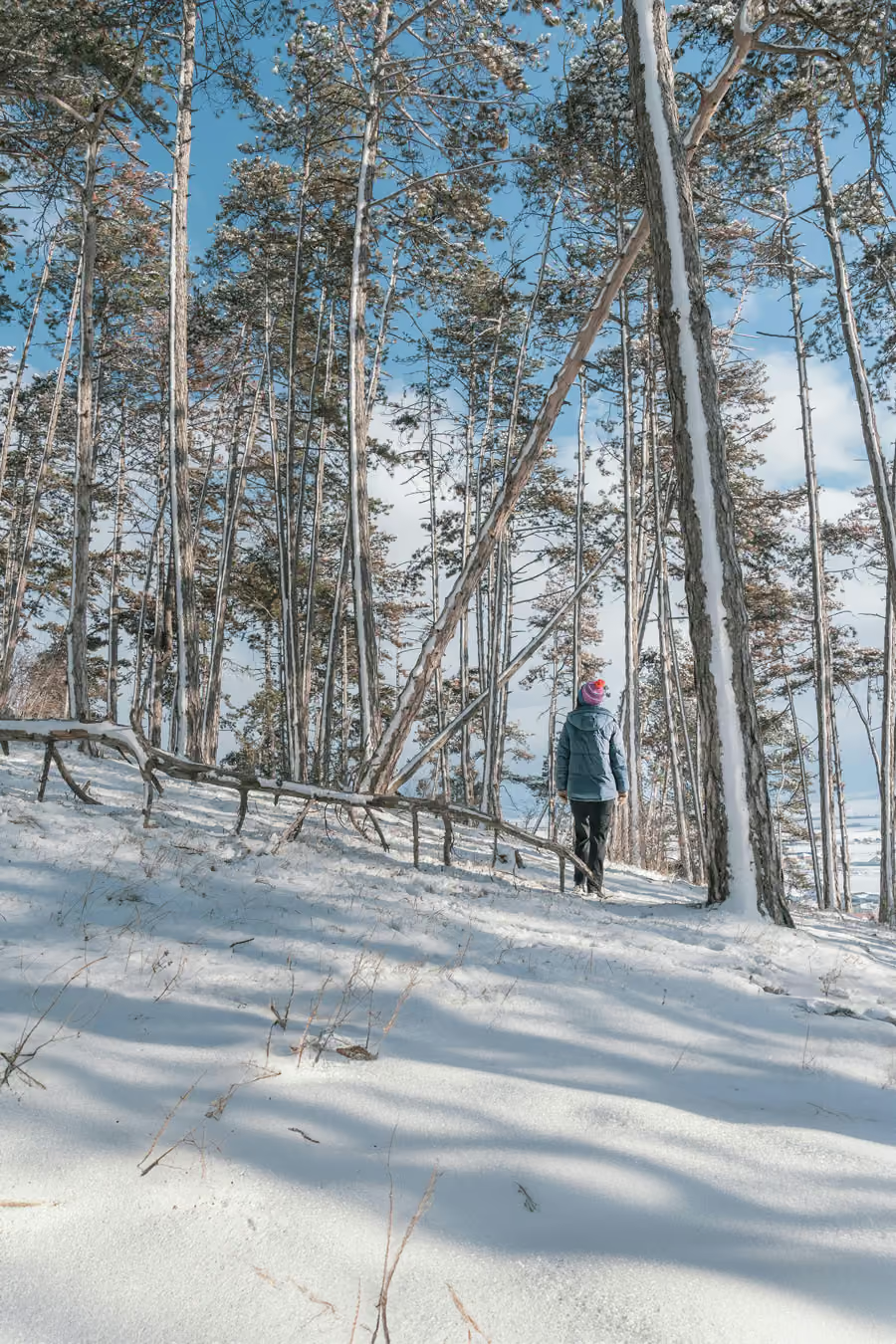
As winter settles in, it’s crucial to recognize how the colder months can impact our mental health. Beyond the winter blues, there’s another term gaining attention: Seasonal Affective Disorder (SAD)—a type of depression linked to seasonal changes in light and weather, most commonly in fall and winter.
While the winter blues are common and temporary, SAD is a more severe form of major depression that begins and ends at the same time each year, often when there is less sunlight. The lack of natural light, cold weather, and limited outdoor activity can profoundly affect emotional and physical wellbeing.
SAD is linked to disruptions in the body’s biological rhythms, particularly the regulation of serotonin and melatonin. Decreased sunlight can lower serotonin levels and disrupt circadian rhythms, leading to sleep disturbances that exacerbate depressive symptoms.
At NWOCC, we offer individual therapy to help you manage the effects of SAD and the winter blues—through CBT, supportive counseling, and more. Book a free consultation today — Email: admin@nwocc.ca | Phone: 807-271-5573.
Get mental health resources, supportive insights, and new blog posts delivered to your inbox.

Your Instagram widget will appear here once your site is published on a staging
or production domain. The live widget with real Instagram data will only be
visible on the published site, not inside the editor.
CONTACT

Mon-Sun: 7:00 am - 9:00 pm

209 Scott St.
Fort Frances, ON
Our Second Location:
1421 Hwy 17 E Kenora, ON
Get helpful resources, updates, and mental health insights from our team.


NWOCC acknowledges that we live and practice on the traditional lands of the Anishinaabeg (Ojibway) people and Métis Nation. As settlers, we say Miigwech for allowing us to gather here. It is an honour and privilege to do this work on Treaty #3, and we remain committed to practicing with respect, learning, and honouring Indigenous cultures, people, and relationships.