Offering virtual therapy across Ontario and in-person sessions in Fort Frances and Kenora
209 Scott St, Fort Frances ON | 1421 Hwy 17 E, Kenora ON
209 Scott St, Fort Frances ON
807-271-5573


Trauma can affect the way you think, feel, connect with others, and move through everyday life. Even long after an experience has passed, your nervous system may still feel stuck in survival mode.
You may feel overwhelmed by emotions, disconnected from yourself or others, constantly on edge, or triggered by situations that don't fully make sense to you. Trauma can also show up physically through tension, exhaustion, sleep difficulties, panic, or emotional numbness.
At NWOCC, we offer EMDR therapy in a safe, supportive, and trauma-informed environment. Our goal is to help you process difficult experiences at a pace that feels manageable and supportive for you.
Feeling unsure what support is right for you?
Take our quick quiz or book a free consultation to find the best fit.

Trauma impacts everyone differently. Some people experience intense emotional distress, while others notice anxiety, avoidance, disconnection, or physical symptoms that feel difficult to explain.
You may experience:
Trauma responses are not signs of weakness. They are your mind and body’s way of trying to protect you after difficult experiences.
Healing from trauma can feel overwhelming, especially when your nervous system still feels unsafe long after an experience has ended. You do not have to navigate that process alone.
Book a free consultEMDR (Eye Movement Desensitization and Reprocessing) is an evidence-based therapy designed to help individuals process and heal from traumatic experiences.
EMDR uses structured eye movements and guided processing techniques to help the brain reprocess difficult memories in a safer, more adaptive way. Over time, many individuals notice that memories become less emotionally overwhelming, triggers feel more manageable, and symptoms begin to decrease.
EMDR may help support individuals experiencing:
Our therapists work collaboratively with you throughout the process, helping you feel supported, grounded, and emotionally safe during therapy.


Trauma therapy should never feel rushed, overwhelming, or retraumatizing. At NWOCC, we prioritize creating a compassionate and supportive environment where you can feel emotionally safe while working through difficult experiences. Our goal is to help you build coping strategies, reduce the intensity of triggers, and feel more connected to yourself and your life again.
Many individuals who participate in EMDR therapy report lasting improvements in emotional wellbeing, symptom reduction, and overall quality of life.
Finding the right EMDR therapist can make a meaningful difference when working through trauma, anxiety, and overwhelming life experiences. Our team provides compassionate, personalized support to help you process difficult memories, build healthier coping strategies, and feel more grounded in everyday life. Explore our EMDR therapists below.
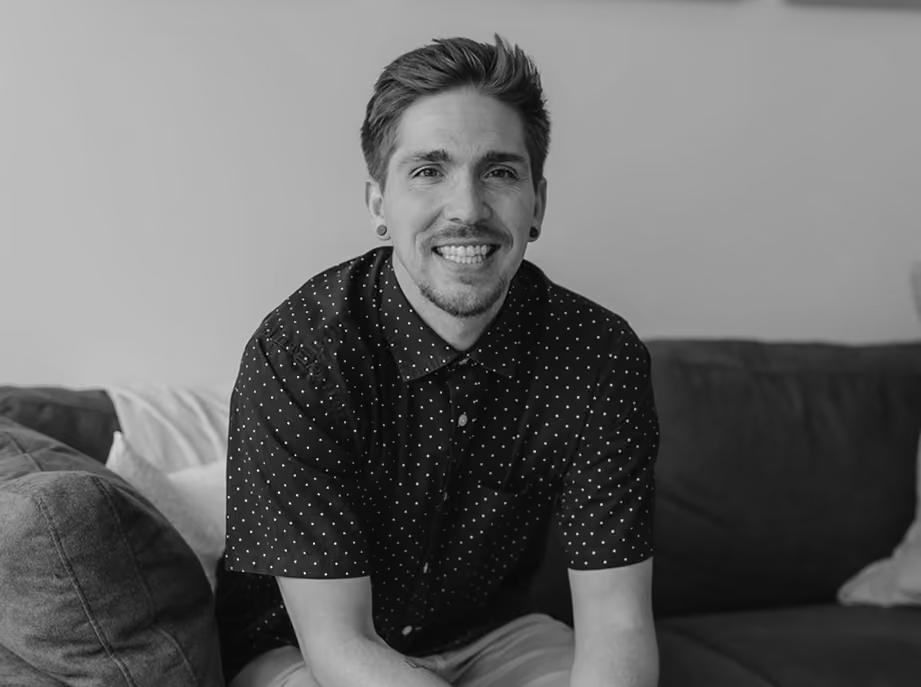
Brady Heyens, Kaylee Heyens-McMahon, and Melissa Calder are trained EMDR therapists who provide trauma-informed care in a supportive and collaborative environment.
Find the right therapistTrauma can impact the nervous system in ways that feel overwhelming, exhausting, or difficult to explain. While healing takes time, small grounding and self-support strategies can help you feel more present, regulated, and connected in everyday life. These tools are not meant to replace therapy, but they can help support emotional safety and nervous system regulation between sessions.

Grounding techniques like deep breathing, sensory exercises, or focusing on your surroundings can help calm the nervous system during moments of distress.

Consistent routines, rest, nourishment, and supportive environments can help your nervous system feel more regulated and secure over time.

Understanding what situations, environments, or memories activate emotional responses can help you respond with more awareness and self-compassion.

Healing from trauma takes time. Reminding yourself that your responses are survival responses — not personal failures — can support emotional healing and self-trust.

Healing is possible, and you don’t have to carry the weight of trauma on your own. With the right support, it’s possible to feel more grounded, connected, and emotionally safe again.

Your Instagram widget will appear here once your site is published on a staging
or production domain. The live widget with real Instagram data will only be
visible on the published site, not inside the editor.
CONTACT

Mon-Sun: 7:00 am - 9:00 pm

209 Scott St.
Fort Frances, ON
Our Second Location:
1421 Hwy 17 E Kenora, ON
Get helpful resources, updates, and mental health insights from our team.


NWOCC acknowledges that we live and practice on the traditional lands of the Anishinaabeg (Ojibway) people and Métis Nation. As settlers, we say Miigwech for allowing us to gather here. It is an honour and privilege to do this work on Treaty #3, and we remain committed to practicing with respect, learning, and honouring Indigenous cultures, people, and relationships.